Alojzy Ehrlich: The Unforgettable Table Tennis Legend Who Survived History
A Table Tennis Icon Who Survived History
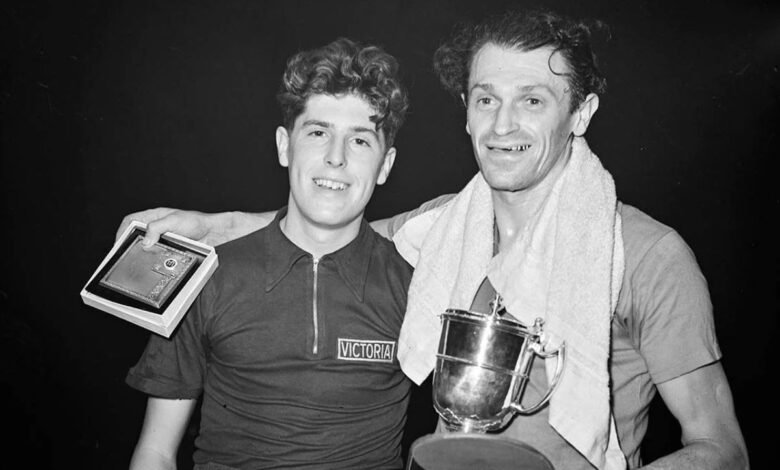
Introduction to Alojzy Ehrlich
Alojzy Ehrlich was one of the most remarkable table tennis players of the twentieth century. Known in many records as Alojzy “Alex” Ehrlich, he was a Polish table tennis star whose life story goes far beyond sport. He reached the highest level of international competition, became a three-time World Championship singles finalist, and survived one of the darkest chapters in human history.
His story is powerful because it combines talent, courage, patience, and survival. He was not only a skilled athlete; he was also a man who continued to be remembered for his discipline and strength. For anyone interested in table tennis history, Jewish sports figures, or inspiring real-life biographies, Alojzy Ehrlich remains an important name.
Quick Info About Alojzy Ehrlich
| Field | Details |
|---|---|
| Full Name | Alojzy “Alex” Ehrlich |
| Date of Birth | 1 January 1914 |
| Date of Death | 7 December 1992 |
| Nationality | Polish, later associated with France |
| Sport | Table Tennis |
| Playing Hand | Right-handed |
| Playing Style | Shakehand grip, defensive control |
| Famous For | Three-time World Championship singles runner-up |
| Notable Match | 1936 long rally against Farkas Paneth |
| Later Career | Coach and table tennis equipment specialist |
Early Life of Alojzy Ehrlich
Alojzy Ehrlich was born in 1914 in south-eastern Poland. Different historical sources mention Bukowsko and Komańcza as his birthplace, which shows how difficult it can be to trace exact details from that period. What is clear is that he grew up in a region shaped by many cultures, languages, and communities.
He later moved to Lwów, now known as Lviv in Ukraine. This city played a major role in his sporting journey. It was there that he discovered table tennis and began developing the skills that would make him one of the best players of his generation.
Alojzy Ehrlich and Hasmonea Lwów
Ehrlich played for Hasmonea Lwów, a well-known Jewish sports club. The club helped many young athletes grow in different sports, and table tennis became one of its important strengths. Ehrlich quickly stood out because of his focus, patience, and ability to control the game.
He was not the type of player who depended only on power. His game was based on timing, defence, accuracy, and mental strength. These qualities later made him extremely difficult to defeat.
Rise of Alojzy Ehrlich in Table Tennis
By the 1930s, Alojzy Ehrlich had become one of Poland’s leading table tennis players. His rise came during a time when European players dominated the sport. The game was slower than modern table tennis, but it demanded huge concentration and physical endurance.
Ehrlich became known for his calm playing style. He could keep rallies going for a very long time and force opponents into mistakes. His patience gave him an advantage, especially against players who wanted quick points.
National and International Recognition
Ehrlich became a major name in Polish table tennis and later gained international respect. He represented Poland in top-level tournaments and competed against some of the strongest players of the era.
His success was not accidental. It came from years of training, deep understanding of the game, and the ability to stay composed under pressure. These qualities helped him reach three World Championship singles finals.
Alojzy Ehrlich at the World Championships
Alojzy Ehrlich reached the men’s singles final at the World Table Tennis Championships three times: in 1936, 1937, and 1939. Although he did not win the world singles title, finishing runner-up three times was an outstanding achievement.
In 1936, he reached the final in Prague. In 1937 and 1939, he again came close to the title. Reaching one world final is difficult. Reaching three shows rare consistency and class.
Why His World Championship Record Matters
Ehrlich competed during a very competitive period in table tennis history. Many great players from Europe were active at that time. To remain among the best for several years required skill, discipline, and strong match temperament.
His three silver medals made him one of the finest table tennis players of his generation. Even without a world singles title, his name remains respected because of what he achieved and how he played.
The Famous 1936 Rally of Alojzy Ehrlich
One of the most famous moments in Alojzy Ehrlich’s career happened at the 1936 World Championships in Prague. He played against Romanian player Farkas Paneth in a rally that became legendary.
The rally reportedly lasted more than two hours, with the ball crossing the net thousands of times. For modern table tennis fans, this sounds almost impossible. However, table tennis at that time was different. The equipment was slower, defensive play was common, and some players were able to continue rallies for an extraordinary length of time.
How the Rally Changed Table Tennis
The long rally between Ehrlich and Paneth became more than just a record. It showed that table tennis needed rules to prevent matches from becoming too long. Over time, the sport moved toward faster rules and more attacking play.
This means Ehrlich did not only make history by playing well. He also became part of a moment that helped shape the future of table tennis.
Alojzy Ehrlich During the Second World War
The Second World War changed Ehrlich’s life completely. Like many people in Europe, he faced danger, displacement, and suffering. He was arrested in France and later deported through Drancy to Auschwitz.
His survival story is often linked to his fame as a table tennis player. Historical accounts state that he survived after being recognised as a famous athlete. He was later transferred to Dachau and survived until liberation.
A Story of Survival and Strength
The wartime experience of Alojzy Ehrlich gives his biography a deeper meaning. He was not only a sportsman who competed for medals. He was a survivor who lived through extreme hardship and still continued his life after the war.
His story reminds readers that sports figures are also human beings shaped by history. In Ehrlich’s case, his sporting identity became part of his survival story.
Life After the War
After the war, Alojzy Ehrlich settled in France. He remained connected to table tennis and continued contributing to the sport. He worked as a coach and was also involved in table tennis equipment and training.
His post-war life shows his deep love for the game. Even after everything he had suffered, he did not leave table tennis behind. Instead, he used his knowledge and experience to help others.
Contribution as a Coach
As a coach, Ehrlich had much to offer. He understood the technical and mental sides of the game. His defensive style, patience, and tactical intelligence made him a valuable teacher.
He knew that table tennis was not only about speed. It was also about reading the opponent, staying calm, and choosing the right moment to attack or defend.
Playing Style of Alojzy Ehrlich
Alojzy Ehrlich was known for control and endurance. He used a right-handed shakehand grip and played with great patience. His defensive strength made him difficult to break down.
He could return ball after ball and wait for opponents to lose focus. This style earned him respect and made him one of the most feared defensive players of his era.
Mental Strength on the Table
One of Ehrlich’s greatest qualities was mental toughness. Long rallies require more than physical skill. They demand concentration, emotional control, and confidence. Ehrlich had all these qualities.
His famous rally against Paneth is a perfect example. It showed his ability to stay focused for an almost unbelievable length of time.
Legacy of Alojzy Ehrlich
The legacy of Alojzy Ehrlich is powerful because it has many layers. In sport, he is remembered as one of Poland’s greatest table tennis players. In history, he is remembered as a Holocaust survivor. In human terms, he is remembered as a figure of resilience.
His name deserves attention because he represents more than athletic success. He represents survival, discipline, and dedication.
Why Alojzy Ehrlich Still Matters Today
Alojzy Ehrlich still matters because his story speaks to different audiences. Sports fans remember his achievements. Historians remember his survival. Readers looking for inspiration see a man who faced both victory and suffering with courage.
His life shows that greatness is not always measured only by gold medals. Sometimes, greatness is measured by endurance, character, and the ability to continue after hardship.
Conclusion
Alojzy Ehrlich was a table tennis legend whose life story remains unforgettable. He reached three World Championship singles finals, became famous for one of the longest rallies in table tennis history, and survived the horrors of the Second World War.
His journey from a talented young player in Lwów to an internationally respected sports figure is inspiring. Although he never won the world singles title, his place in table tennis history is secure. Alojzy Ehrlich remains a symbol of skill, patience, survival, and lasting strength.
FAQs About Alojzy Ehrlich
Who was Alojzy Ehrlich?
Alojzy Ehrlich was a Polish table tennis player and Holocaust survivor. He was one of the best players of his era and reached three World Championship singles finals.
What was Alojzy Ehrlich famous for?
He was famous for his outstanding table tennis career, his three World Championship runner-up finishes, and his legendary long rally against Farkas Paneth in 1936.
When was Alojzy Ehrlich born?
Alojzy Ehrlich was born on 1 January 1914. Historical sources mention south-eastern Poland as his place of birth.
Did Alojzy Ehrlich win the World Championship?
No, he did not win the world singles title. However, he reached the final three times, which made him one of the greatest players of his generation.
When did Alojzy Ehrlich die?
Alojzy Ehrlich died on 7 December 1992. He spent his later life in France and remained connected to table tennis.